From Anthropology to Americana: Allen Schery’s Lifelong Journey of Discovery
Written by
Elizabeth Allouche
Published on
May 19, 2026
Updated on
May 19, 2026
Allen Schery, Long Island Post ’69, has spent a lifetime pursuing knowledge and preserving culture.
The Delta Sigma Phi brother has built a career that spans anthropology, archaeology, authorship, museum design, and cultural storytelling. From living with Indigenous communities in Africa and Mexico to designing immersive museum experiences and publishing dozens of books, Schery’s work reflects a lifelong desire to better understand people, culture, and the forces that shape society.
Yet throughout the conversation, Schery repeatedly returned to one central idea: curiosity.
“I wanted to know what the world was really about,” he said, reflecting on the interests that first drew him toward anthropology and cultural study.
That curiosity eventually led him to study under renowned anthropologist Margaret Mead, conduct archaeological work in Western Mexico, and develop what he describes as a “philosophical anthropologist” approach to scholarship, blending history, sociology, religion, psychology, and culture into a broader understanding of human behavior.
Over the years, Schery has authored works on subjects ranging from comparative religion and pre-Columbian trade routes to American culture and baseball history. His published works include The Pre-History of Western Mexico, The Dragon’s Breath: The Human Experience, and several books on the Brooklyn Dodgers and American culture. Among his most celebrated works is Pattern and Bond: Walt Whitman’s World, which historian Dr. Regis Tooley praised as “the best book ever written on Whitman.”
For Schery, curiosity has never meant staying in one lane.
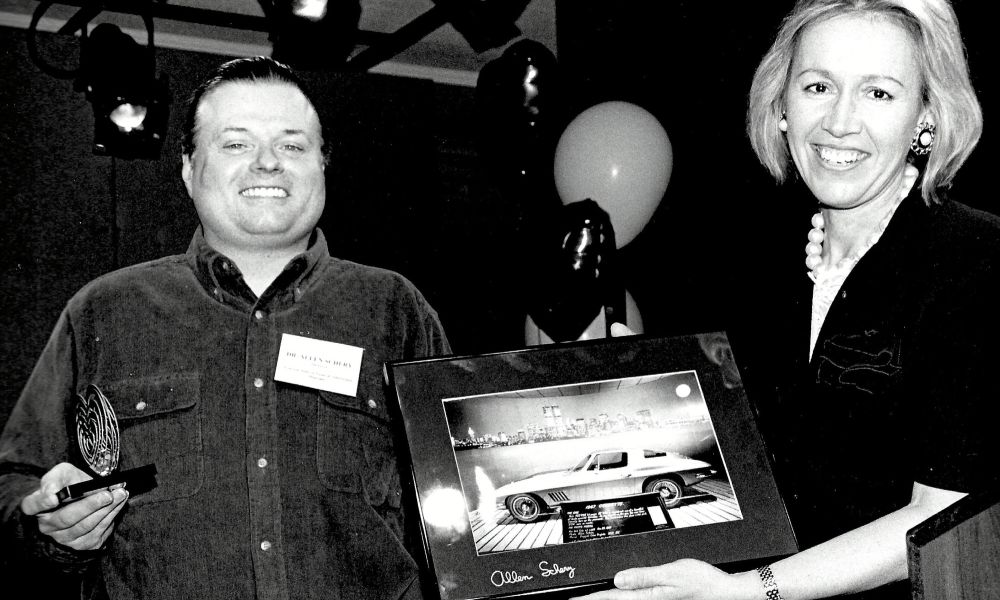
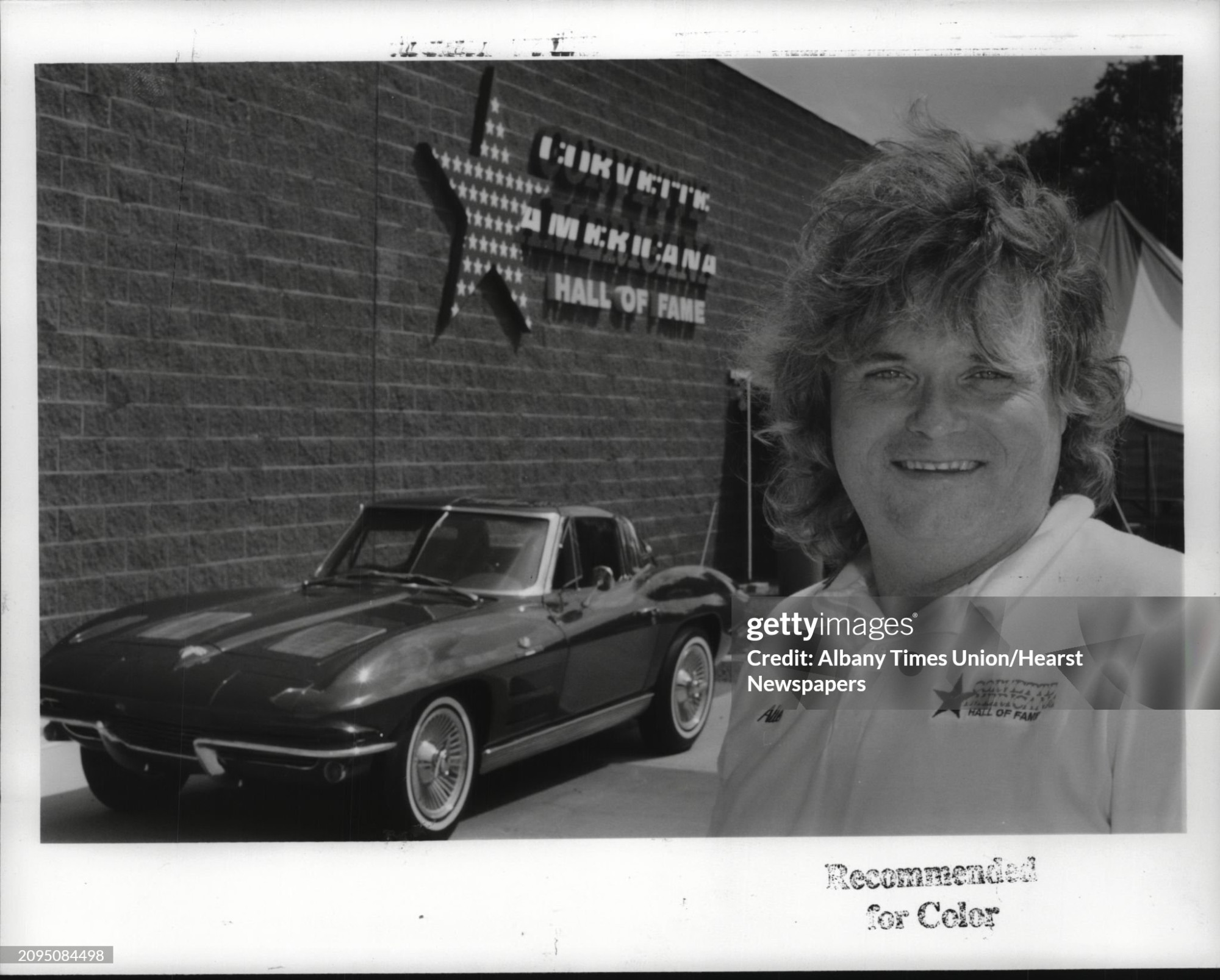
In the early 1990s, he combined his love of vintage Corvettes with his background in anthropology to create the Corvette Americana Museum in Cooperstown, New York. Instead of simply displaying cars, Schery designed immersive exhibits that blended music, film, memorabilia, and historical storytelling to recreate the culture surrounding each Corvette’s year. In 1994, the museum was recognized as one of the ten best museums in New York State, earning Schery an award from then-First Lady Libby Pataki.
Rather than treating museums as static displays, Schery approaches them as immersive cultural experiences.
“I’ve always wanted to create order out of chaos,” he said.
That philosophy has guided projects that combine history, music, film, memorabilia, and storytelling into what he calls “time tunnels,” designed to help visitors experience culture as something living and interconnected rather than distant or academic. Today, Schery is bringing that same vision to a new Dodgers museum experience planned for Universal CityWalk in Los Angeles, drawing from a personal collection of more than 250,000 Dodgers artifacts and a lifelong passion for baseball history. His fascination with the Dodgers has also inspired several books, including The Boys of Spring, which was recognized as a finalist for the Ron Gabriel Award for baseball research.
Throughout the conversation, Schery repeatedly connected his work back to the values he experienced through Delta Sigma Phi.
“We learned that sense of sharing and helping one another,” he said. “We learned that we have to help one another, because if we don’t, then probably the rest of the world won’t. That’s our sense of brotherhood.”
More than five decades after his undergraduate years, Schery still regularly speaks with many of his fraternity brothers and credits those lifelong friendships with shaping both his personal and professional life. He specifically recalled the influence of Ray Lesch, Alfred ‘33, who encouraged brothers to support one another, contribute to society, and pursue lives grounded in purpose and integrity.
For Schery, Delta Sigma Phi’s influence extends far beyond his collegiate experience. He views the fraternity as an organization that encourages men to pursue education not simply for career advancement, but for lifelong growth and cultural stewardship.
“Delta Sigma Phi has always stood for more than fellowship,” Schery shared in correspondence prior to the interview. “It has stood for the shaping of men who carry culture forward.”
Even after decades of accomplishments, Schery continues to approach life with the same curiosity that first inspired him as a young student. Whether writing books, designing museums, or developing new creative projects, he sees learning not as a destination, but as a lifelong process of exploration and discovery.
When asked what advice he would give undergraduate brothers today, Schery encouraged them to embrace curiosity fully and pursue their passions without fear of limitation.
“Life is clay,” he said. “Take it and mold it.”