Changing the Narrative: A Delta Sig Leader’s Impact Beyond the Chapter
Written by
Elizabeth Allouche
Published on
March 31, 2026
Updated on
April 2, 2026
Dominic Mancini did not arrive at Boise State expecting to join a fraternity.
In fact, he was firmly against it.
“I felt victim to the stereotype,” he said. “I didn’t want any part of Greek life.”
That changed when he attended a Delta Sigma Phi recruitment event. What he found was not what he expected. The men he met were welcoming, intentional, and invested in one another in a way that stood out.
“I could tell every single guy actually cared,” he said. “Not just about themselves, but about each other, their future, and how they showed up in the world.”
That experience reshaped his college path.
Since joining the Iota Theta Chapter at Boise State in 2023, Mancini has grown into one of the most influential student leaders in his community, taking on leadership roles within both his chapter and the broader fraternity community, including Chapter Sergeant-at-Arms, IFC Chief Justice, and now IFC President.
That work has already earned national recognition.
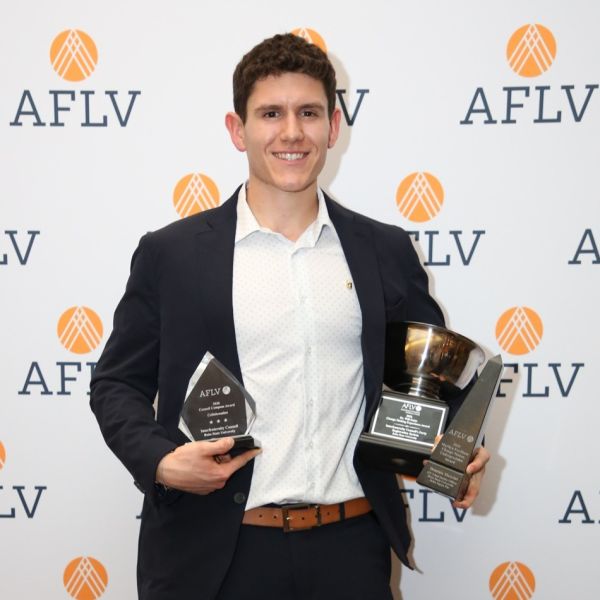
At the Association of Fraternal Leadership & Values West Conference, which brings together more than 700 fraternity and sorority leaders from nearly 60 universities, Mancini was selected as the sole recipient of the Marilyn Ford Change Maker Award, the only individual award presented to an undergraduate student.
In addition, the Boise State Interfraternity Council received the Dr. Will Keim Change Maker Program Award, the only council-level program award presented at the conference. The recognition highlighted the Party Registration System and the strengthened partnership between the fraternity community and local law enforcement, both of which Mancini played a significant role in developing.
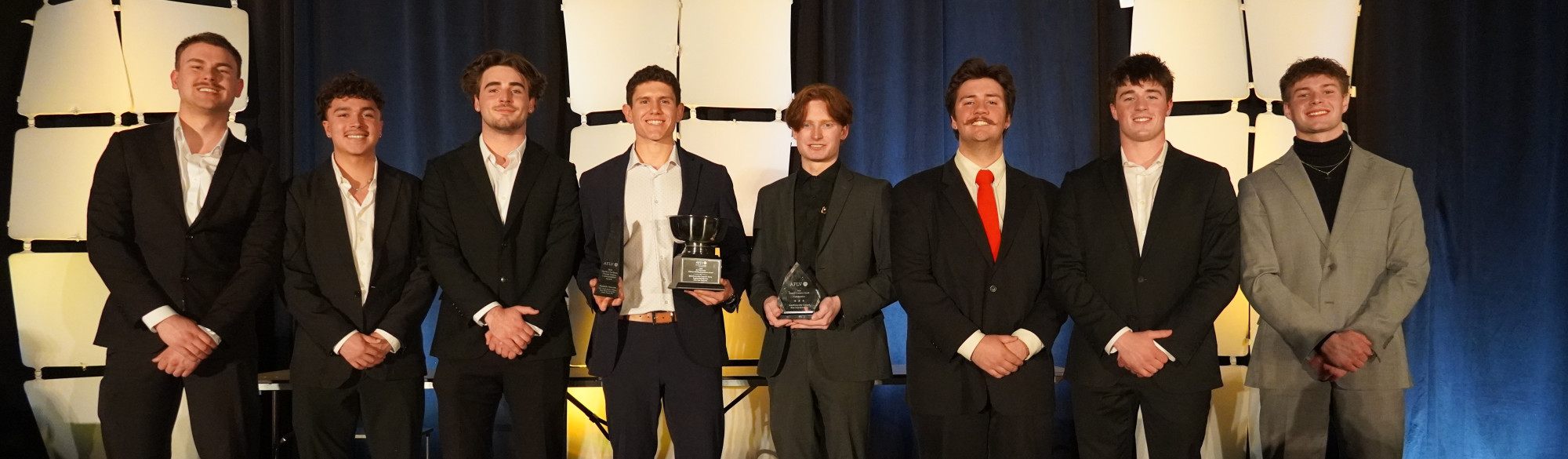
As he talks about the awards, the excitement is unmistakable, with pride in every smile and in the brightness of his eyes.
But for Mancini, the recognition is not the end goal.
“It’s not about the award itself,” he said. “It’s about the time, the work, and the people behind it. That’s what makes it meaningful.”
From early on, Mancini leaned into involvement, seeking out opportunities to contribute and improve the experiences around him. Whether working within his chapter or stepping into broader leadership roles, his focus remained consistent: leave things better than he found them.
That mindset became especially clear during his time with the Interfraternity Council.
After narrowly missing a leadership position within his chapter, Mancini was encouraged to run for IFC Chief Justice. With little time to prepare, he stepped into the opportunity and was selected for the role, an experience that would shape the direction of his leadership.
In that position, he focused on rethinking how accountability and safety were approached across the fraternity community. Rather than relying solely on punitive measures, he worked to build systems rooted in responsibility, communication, and partnership.
One of the most impactful outcomes of that work was the development of a Party Registration System and a stronger working relationship with the Boise Police Department. The system allows chapters to proactively share event details and establish clear points of contact, helping address concerns quickly and reduce risk.
“It turns a two-hour problem into a five-minute solution,” Mancini explained. “Instead of showing up and shutting things down, there’s communication. There’s trust.”
That shift has helped rebuild relationships between fraternity chapters, university leadership, and local law enforcement, creating a safer and more collaborative environment for everyone involved.
But beyond systems and recognition, Mancini measures success differently.
“I want people to leave this community better than they came into it,” he said.
That perspective is rooted in his own experience. The growth he found through Delta Sigma Phi shaped not only his college experience, but also the kind of leader he has become.
“Being part of this chapter pushes you to be better,” he said. “You’re surrounded by people who care about you and want to see you succeed.”
His leadership today reflects that same commitment. Through his work, he has focused on strengthening accountability, improving communication, and addressing deeper challenges within the fraternity experience, all with the goal of creating a community where members can grow and succeed.
It is a reflection of something broader. When fraternity experiences are built on care, accountability, and shared responsibility, they have the potential to create meaningful and lasting impact on young men.
At Boise State, Mancini is helping bring that potential to life.
While his influence began within Delta Sigma Phi, it now extends across the entire fraternity community, shaping a culture rooted in responsibility, connection, and a commitment to something greater than oneself.
And while the awards mark a significant milestone, they are not the finish line.
They are simply a reflection of the work already in motion, and the impact still to come.