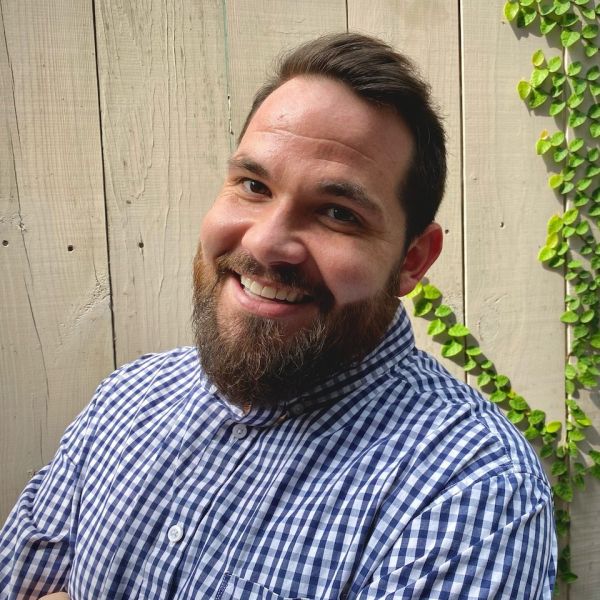
Delta Sig Alum Dr. Will Frankenberger Elected President of AFA's Board of Directors
Written by
Elizabeth Allouche
Published on
September 15, 2026
Updated on
September 15, 2026
Dr. Will Frankenberger, Millikin '07, has been elected president of the Board of Directors for the Association of Fraternity/Sorority Advisors (AFA), the leading professional home for fraternity and sorority advisors across North America. Will becomes only the second Delta Sig to lead AFA in this capacity, joining brother Kyle Pendleton, Ohio State '89, who previously held the role earlier in his career.
Will currently serves as Chief Learning Officer at Delta Zeta Sorority, where he oversees officer training, leadership development, accountability, and prevention education for the organization. His path to that role, and now to AFA's presidency, started at Delta Sig.
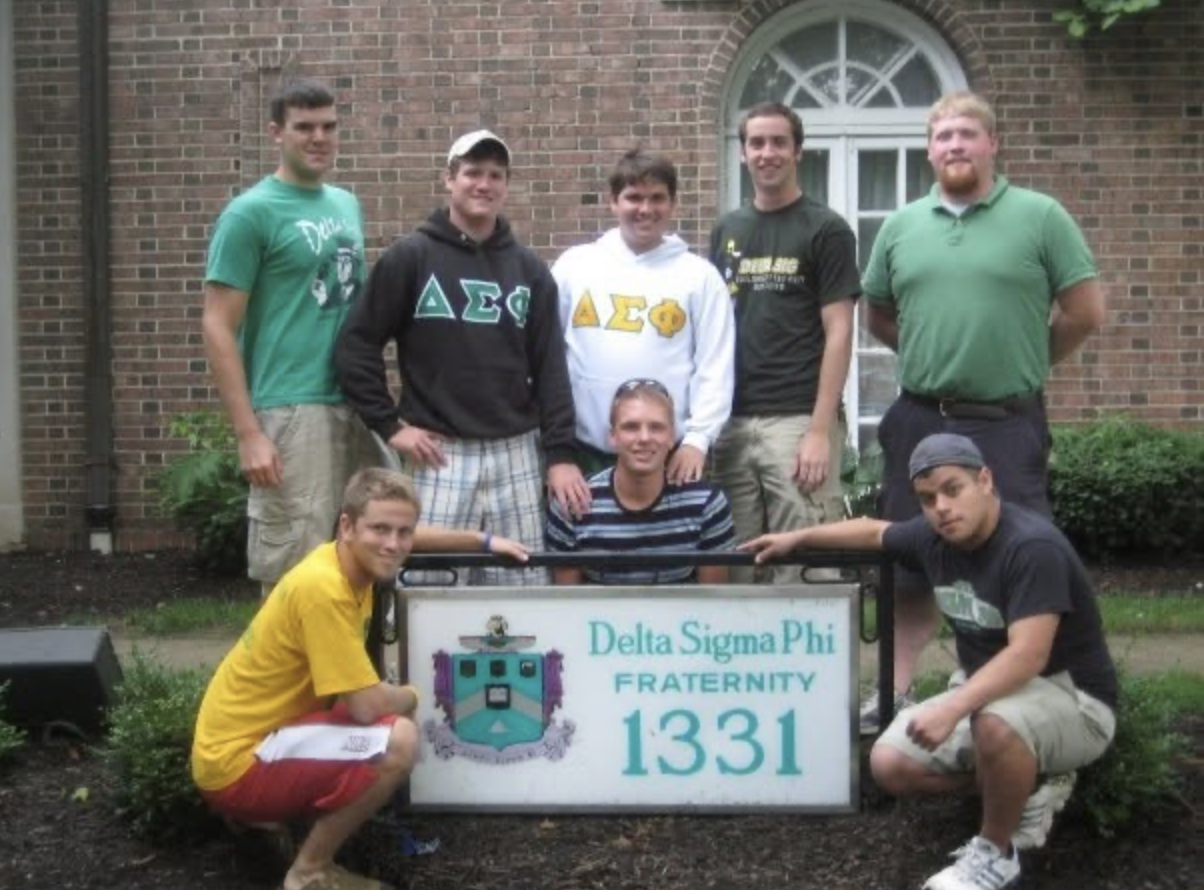
When Will pledged Delta Sig at Millikin University, by his own account, it wasn't a fraternity he expected to join. Millikin's recruitment cycle was deferred to the spring, giving him a semester to observe the campus before committing to anything, and what he noticed was that many of the students in visible leadership roles - RAs, orientation leaders, campus mentors - all wore Delta Sig letters. That observation, paired with a chapter he describes as unusually strong and involved, made the decision an easy one.
After graduating, Will joined Delta Sigma Phi's National Headquarters staff, where he wore several hats over the years: events coordinator, membership and records manager. He eventually left the Fraternity world briefly for a role outside the industry, only to find himself missing it within months. A phone call to a former supervisor at Delta Zeta, made as a courtesy before accepting a different job offer, turned into a job offer of its own. He has been with Delta Zeta ever since.
Along the way, Will earned a Ph.D. in Adult Learning and Leadership from Kansas State University, funded through a sponsorship tied to sorority-focused research. His dissertation examined digital conflict, studying how the toxic, passive-aggressive patterns that show up in group texts and workplace chat platforms play out inside sorority chapter group messages, and how shifting communication mediums can de-escalate conflict before it spirals. The research has since carried him well beyond the fraternal world, including work with Google and training sessions with military leadership on digital conflict resolution.
"This Wasn't the Plan"
Will's election comes as AFA enters its 50th anniversary year, a milestone he says makes the moment feel especially significant. "This wasn't the plan," he said of his path to the presidency, noting that he was originally only running to continue his second term on the board. A shift in AFA's leadership pipeline opened the door, and mentors encouraged him to step through it.
What ultimately settled it for him was a simple philosophy he says he tries to live by: when something you care about calls you to answer, you answer. "AFA has given me a lot," he said. "So to give a little bit back was the easiest decision I could make. For me, AFA is a huge professional home. It's not just developed me as a professional; it's given me some of my closest friends. Our industry is small, and when you get the chance to be around people who understand the work without you having to defend it, that's different."
Three Priorities for the Term Ahead
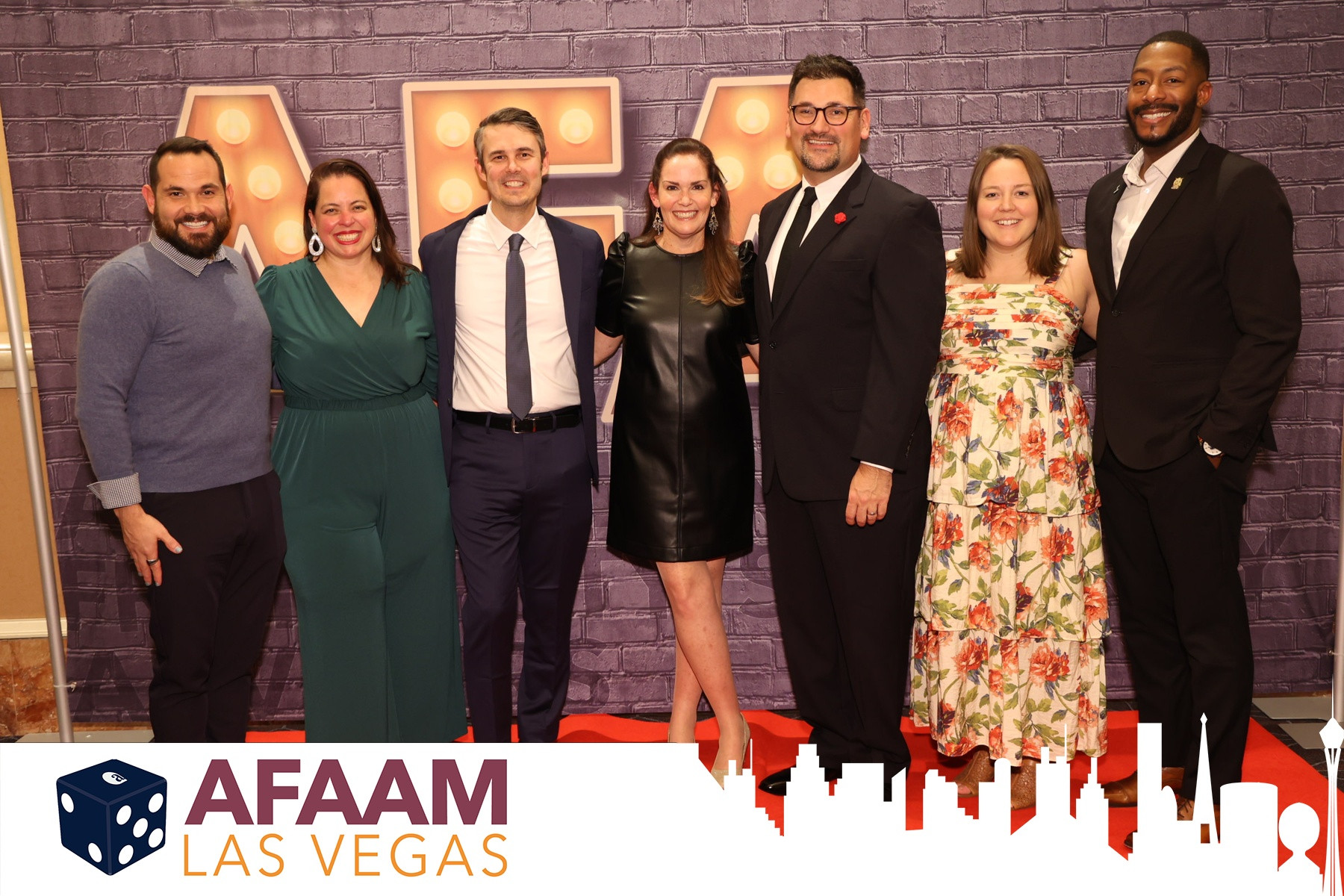
Heading into his term, Will says he's staying deliberately narrow in his focus. "I'm a firm believer in doing three things perfectly rather than thirty things pretty okay," he said.
The first is strengthening the profession's pipeline. As more campuses move toward hiring fraternity and sorority advisors without advanced degrees, Will says AFA has to be intentional about developing the professionals who are ready to step into director-level roles. "When AFA can make a campus-based professional the strongest professional they can be, and remind headquarters professionals what good collaboration looks like, our students are better off. Our volunteers are better off. It sustains the whole experience."
The second is data. AFA is prioritizing how the organization and its members can capitalize on data and benchmarking to provide professionals across campuses and headquarters with powerful tools to best maximize their impact. "It's going to provide people with real numbers and data to support and drive impact in our profession.”
The third is rethinking who counts as an advisor in the first place. Will hopes for AFA to expand its view of membership beyond full-time, paid professionals. "AFA is the Association of Fraternity/Sorority Advising. It's not the Association of Professional or Full-Time Fraternity/Sorority Advising," he said. There are thousands of volunteer advisors, he points out, doing this work alongside headquarters staff and campus professionals, often without much formal support. "Organizations will continue to teach their volunteers how to lead and engage with their organizations and maximize their members' potential, but where AFA can step in is to help develop volunteers in the formalized skill of advising, collaborating with campus professionals, and understanding the broader fraternal community and our collective impact."
On Leading Without an Us-vs-Them Mentality
Ask Will what he wants undergraduates to understand about the people working behind the scenes at their national organizations, and he doesn't hesitate. "We are here to help and develop you. We want to be collaborative with you," he said. "Sometimes it gets framed as us versus you, and that's just not the mentality. We want to be somebody who might challenge you, who might guide you, but we want to be with you. We want you to challenge us right back."
That mindset, he says, comes from watching how much undergraduate members actually shape the organizations they belong to. "You have a tremendous influence on how we build policy, how we build programs, how we build experiences. That's powerful. That's you making us better, and we get to coach and guide you in return. That's the synergy that makes for a lifelong, positive experience. It's never us versus you. It's us and you."
For anyone considering a career in fraternity and sorority life or higher education, Will's advice is blunt: "You've got to love the work, and you've got to believe in the work." Beyond that, he says the appeal is in the variety. "If you're somebody who wants to solve problems, who wants to raise money, who wants to interpret policy, who wants to balance a budget, who wants to work with attorneys and insurance, this field has all of it. It's generalist and complex and interdisciplinary, and it's incredibly powerful."
"Without Delta Sig, This Would Not Have Happened"
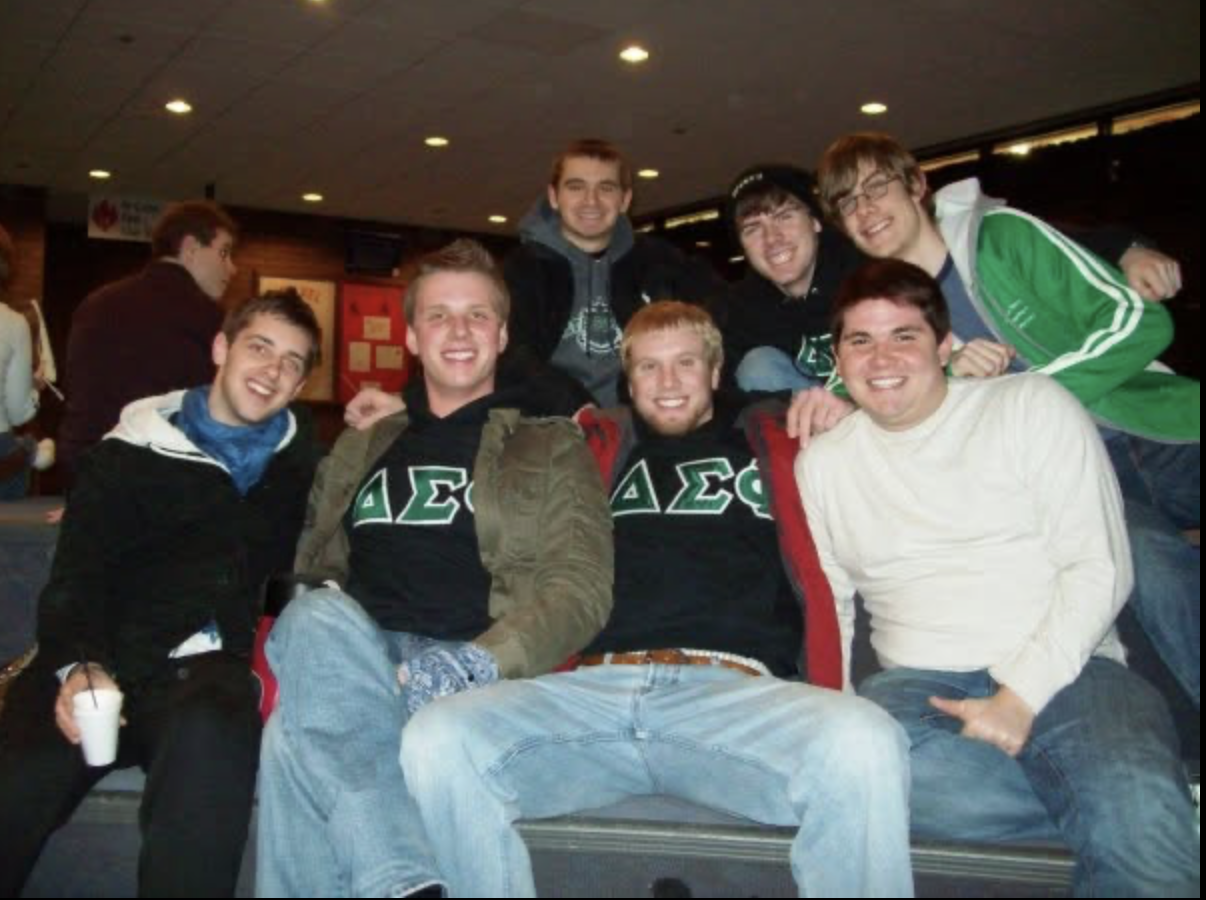
For as far as Will's career has taken him, he's quick to trace it all back to the same starting point.
He doesn't say it lightly. "Without Delta Sig, this would not have happened. My entire career, becoming president of AFA, none of it happens without Delta Sig as the catalyst. I forget that sometimes, honestly. But it's true."
Will is also quick to point out that his story isn't a solo one. Delta Sig's fingerprints are all over AFA's leadership history, and he credits colleagues like Ry Beck, North Texas '04, Delta Sig's former assistant executive director and a fellow AFA board member, alongside Kyle Pendleton, for shaping both his own career and the broader Delta Sig presence in the profession.
Will's trajectory, from a Millikin undergrad to a national leadership role in fraternity and sorority advising, is a clear example of Delta Sig's Launch Careers pillar in action: a career built on the foundation of an undergraduate fraternity experience, now paying it forward for the next generation of student leaders.
Congratulations to Dr. Frankenberger on this well-earned honor.